
Common Signs You Need to Replace Vehicle Suspension System Parts
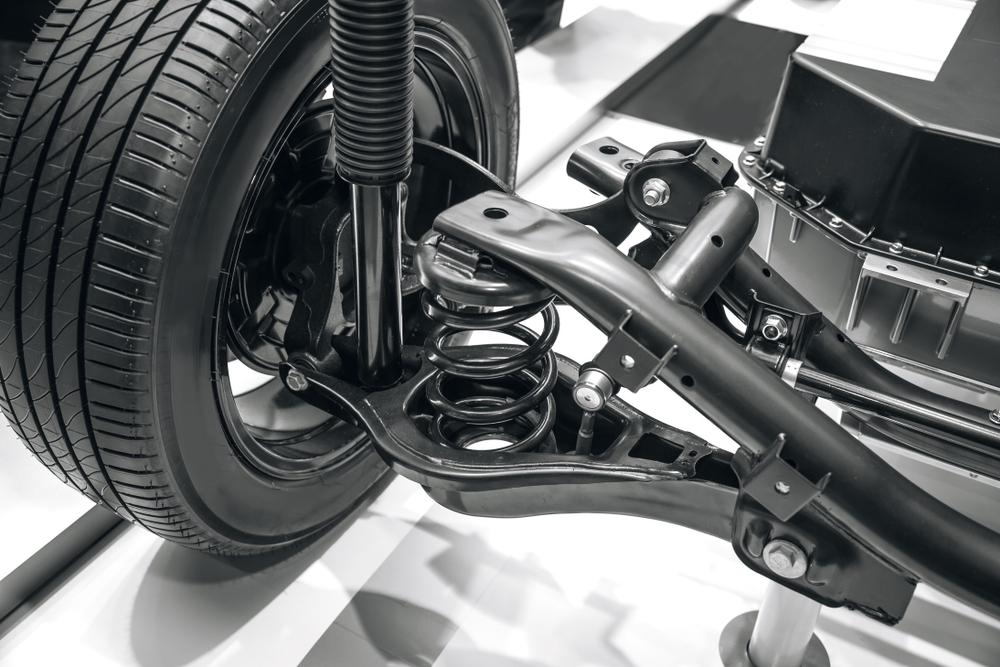
A vehicle can still start, move, and stop with suspension trouble, which is exactly why many drivers ignore the warning signs for too long. The problem is that a worn suspension does not usually fail all at once. It gets worse little by little—until comfort drops, handling becomes uncertain, and other parts begin wearing out faster than they should.
That is why understanding the early symptoms matters. If your car feels rough over normal roads, leans too much in corners, or makes strange noises over bumps, your Vehicle Suspension System may already be asking for attention. For vehicle owners, workshop teams, and fleet operators looking for reliable Vehicle Spare Parts Malaysia, knowing what to watch for can help prevent bigger repair costs later.
Why the Vehicle Suspension System Matters More Than Most Drivers Think
The suspension system does much more than improve ride comfort. It keeps your tires in better contact with the road, helps control body movement, supports braking stability, and reduces stress on other components. A healthy Vehicle Suspension System works quietly in the background. It absorbs shocks, manages weight transfer, and helps the vehicle stay balanced during turning, braking, and uneven road conditions.
When suspension parts begin to wear out, the damage does not stay isolated. It can affect tire life, steering response, alignment, and even the performance of related components such as Vehicle Brake System Parts and wheel assemblies. In other words, suspension issues are rarely just about comfort.
What Parts Usually Wear Out in a Suspension Setup?
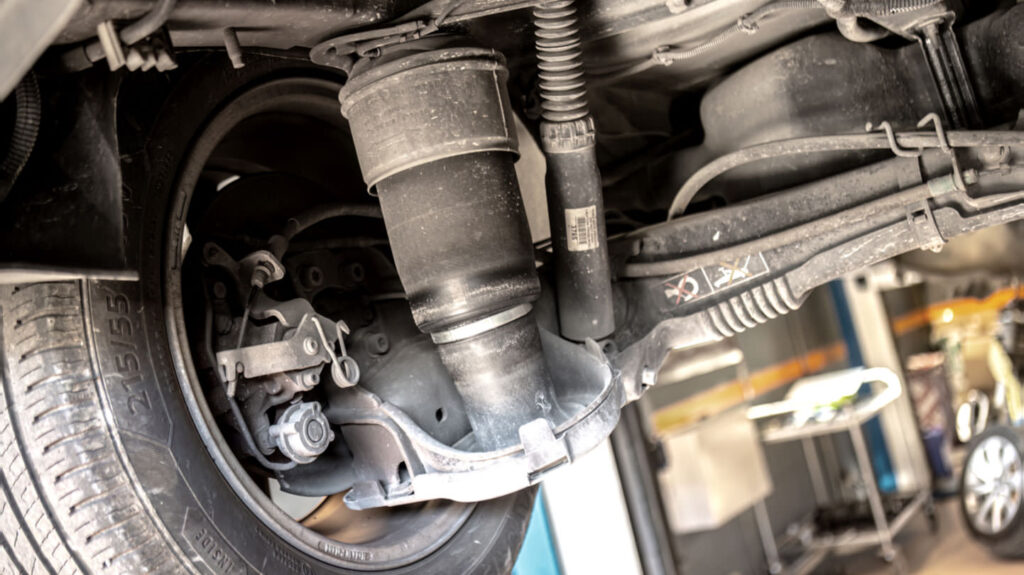
Before looking at the symptoms, it helps to know what may actually need replacement. Common Vehicle Suspension System Parts include:
- Shock absorbers
- Struts
- Control arms
- Bushings
- Ball joints
- Coil springs
- Stabilizer links
- Mounts and bearings
These parts work under constant pressure. Heat, vibration, road impact, heavy loads, and poor road surfaces all speed up wear. In commercial or high-mileage vehicles, replacement may come sooner than expected.
Is Your Car Trying to Tell You Something?
Many drivers notice suspension problems but describe them in simple ways: “The car feels loose,” “It bounces too much,” or “Something sounds off.” Those descriptions are often correct.
Here are the most common signs that replacement may be needed.
1. The Ride Feels Too Bouncy
One of the clearest warnings is excessive bouncing after driving over a bump or pothole. If the vehicle continues to move up and down instead of settling quickly, the shocks or struts may no longer be controlling the motion properly. This is one of the classic Suspension Replacement Warning Signs. A car should recover quickly after an impact. Too much rebound means the damping ability is weak.
2. The Vehicle Pulls or Drifts During Turns
If your car feels unstable while cornering or if the body leans more than usual, worn suspension parts could be the cause. Weak struts, bad bushings, or worn stabilizer links can reduce handling confidence. This problem becomes more noticeable at moderate speeds, especially on curved roads or roundabouts.
3. Uneven Tire Wear Appears Too Early
Suspension wear often shows up in the tires before drivers think to check the suspension itself. If one side of the tire wears faster than the other, or if the tread pattern looks irregular, it may point to poor alignment caused by worn suspension components. In many cases, replacing tires without fixing the suspension simply repeats the problem.
4. Clunking, Knocking, or Squeaking Noises
Unusual sounds over bumps, speed breakers, or rough roads often suggest worn joints, mounts, or bushings. These noises usually start small and get louder with time. Ignoring them can allow extra movement in the suspension, which puts stress on nearby fasteners such as Vehicle Bolts and Nuts, and other connected parts.
5. The Front End Dips When Braking
If the nose of the vehicle drops sharply during braking, weak front shocks or struts may lose control. This is not just uncomfortable. It can affect braking balance and place an extra load on the Vehicle Brake System Parts. A strong suspension system helps keep braking stable. When it weakens, stopping distance and control may suffer.
6. Steering Feels Loose or Less Responsive
Suspension wear can make the steering wheel feel vague, delayed, or unusually light. Drivers sometimes think it is only an alignment issue, but worn ball joints, control arm bushings, or strut mounts may be behind it. Good suspension helps the steering system do its job. When it wears out, precision drops.
7. One Side of the Vehicle Sits Lower
A sagging corner often points to a weak spring or damaged structural component in the suspension. If your vehicle looks uneven while parked on level ground, it deserves inspection right away. This can also create an imbalance that affects load distribution and tire contact.
Suspension Replacement Warning Signs You Should Never Ignore
Some symptoms deserve faster action because they can quickly affect safety and repair costs.
Suspension Replacement Warning Signs During Daily Driving
Pay closer attention if you notice any of these during normal use:
- Harsh impact from small road imperfections
- Steering wheel vibration on uneven roads
- A floating or wandering feeling at highway speed
- More body roll than before
- Repeated alignment problems
- Faster wear in tires and steering components
These Suspension Replacement Warning Signs often appear gradually. That is what makes them easy to dismiss. But in practice, gradual wear is exactly how suspension damage becomes expensive.
What Usually Causes Suspension Parts to Wear Out Faster?
Not every suspension issue comes from age alone. Several real-world factors shorten service life.
Rough Road Conditions
Frequent potholes, broken pavement, and unpaved routes put heavy stress on shocks, springs, and joints. Repeated impact can wear seals and loosen mounting points.
Heavy Loads and Commercial Use
Vehicles that carry extra weight regularly put more pressure on suspension assemblies. Fleets, pickups, vans, and work vehicles often need Vehicle Suspension System Parts replaced sooner than those in passenger cars used lightly.
Delayed Maintenance
Skipping inspections allows small wear to become larger mechanical play. Something as simple as a worn bushing can eventually affect alignment, tire wear, and steering feel.
Related System Neglect
Suspension performance is connected with other vehicle systems. Weak tires, poor alignment, low-quality lubricants, and neglected Vehicle Maintenance Fluids Malaysia can all contribute indirectly to a rougher-running vehicle and more stress on suspension components.
Why Early Replacement Saves More Than Money
Some buyers delay suspension repairs because the vehicle still seems usable. But waiting usually costs more in the long run.
Replacing worn suspension parts on time can help:
- Improve ride comfort and road stability
- Protect tires from uneven wear
- Reduce strain on steering and braking components
- Support safer cornering and braking
- Prevent damage to connected assemblies
- Maintain better control in wet or uneven conditions
For anyone comparing Vehicle Parts For Sale, the smartest purchase is not always the cheapest. The right part, installed at the right time, protects the entire vehicle.
How to Check Whether You Need New Vehicle Suspension System Parts
A proper inspection should be both visual and practical. Here is what technicians usually assess:
Road Feel
A short test drive can reveal bouncing, drift, noise, body roll, and front-end dive.
Visual Condition
Look for leaking shocks, cracked bushings, damaged mounts, broken springs, or worn joints.
Tire Clues
Uneven tread wear often supports what the road test already suggests.
Component Movement
Excess play in joints or links is a strong sign that replacement is due. If you are sourcing Vehicle Spare Parts Malaysia, it helps to identify the exact failing component before ordering. Replacing the wrong part wastes both time and money.
Practical Buying Tips Before You Buy Vehicle Parts Malaysia
When it is time to replace worn components, part selection matters just as much as the diagnosis.
Match the Part to the Vehicle Application
Always confirm model, year, trim, and usage type. A part suitable for one version of a vehicle may not be ideal for another.
Do Not Ignore Build Quality
Suspension parts deal with impact and constant motion. Material quality, fit, and durability matter. This is especially true for bushings, mounts, and ball joints.
Check Related Components at the Same Time
If one part has worn out, nearby components may also be close to failure. During suspension repair, it is wise to inspect related items such as Vehicle Brake System Parts, steering links, and mounting hardware.
Buy from a Reliable Source
When you Buy Vehicle Parts Malaysia, choose suppliers that provide clear specifications, proper fitment guidance, and dependable quality. Good sourcing reduces return issues and helps repairs last longer.
Common Mistakes
Suspension work often goes wrong not because the problem is hard to spot, but because people rush the process.
Replacing Only the Most Obvious Part
A leaking shock may be visible, but worn bushings or loose links may be causing part of the same problem.
Ignoring Tire and Alignment Checks
New parts alone do not solve everything. Alignment and tire condition should be checked after repair.
Choosing Price Over Performance
Low-cost parts may look attractive, but poor durability can lead to repeated labor costs and faster failure.
Overlooking Other Systems
Suspension problems sometimes appear alongside issues in Vehicle Engine Spare Parts, Vehicle Cooling System Parts, or Vehicle Ignition System Parts during full-vehicle maintenance. A good workshop looks at the bigger picture.
When Is the Best Time to Replace the Vehicle Suspension System?
There is no single mileage that fits every vehicle—driving style, road quality, cargo weight, and climate all matter. The best time is when symptoms begin to appear—not when the vehicle becomes difficult to control. Routine inspections during service visits are the best way to catch wear early. If a vehicle is used for business, long-distance driving, or frequent rough-road travel, suspension checks should happen more often. A proactive approach keeps the Vehicle Suspension System working as intended and reduces the chance of larger repair bills later.
Final Words
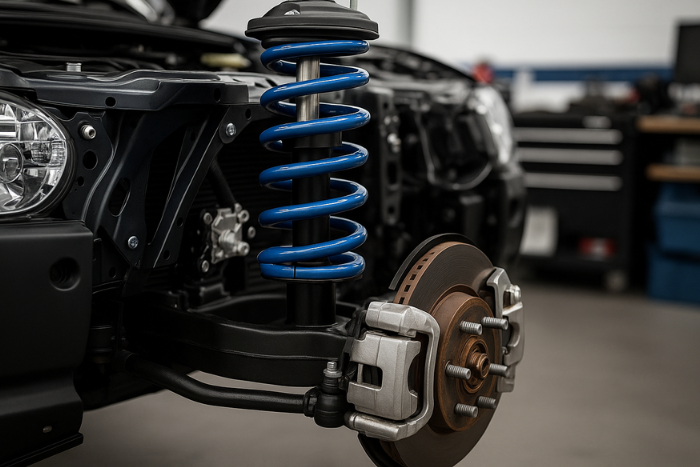
Suspension issues rarely fix themselves. They grow slowly, affect comfort first, and then begin to compromise control, braking, and tire life. If your vehicle feels rough, unstable, noisy, or uneven, those signs should not be brushed aside. Replacing worn Vehicle Suspension System Parts at the right time helps protect the rest of the vehicle and gives you a smoother, safer drive. If you are looking for dependable Vehicle Parts For Sale or planning to Buy Vehicle Parts Malaysia, choose quality parts that match your vehicle and driving demands.
For more updates and details, visit our Instagram Page!
FAQs
1. What is the first sign of a failing Vehicle Suspension System?
For many drivers, the first noticeable sign is a rougher ride or excessive bouncing after bumps. Others may notice uneven tire wear or a loose steering feel. Early symptoms can be subtle, so regular inspections help.
2. Can bad suspension affect braking performance?
Yes, it can. Worn suspension parts reduce vehicle stability during braking and can increase front-end dive. That puts more stress on Vehicle Brake System Parts and may reduce overall control.
3. How often should Vehicle Suspension System Parts be inspected?
A basic inspection should be done during routine servicing, especially if the vehicle covers high mileage or drives on poor roads. Commercial vehicles and heavily loaded vehicles usually need more frequent checks.
4. Is it safe to drive with worn suspension parts?
Sometimes the vehicle may still feel drivable, but that does not mean it is safe. Handling, braking balance, tire grip, and steering response can all suffer. It is better to fix the issue early than wait for the condition to worsen.
5. What should I check before buying replacement suspension parts?
Confirm the exact vehicle fitment, inspect related components, and compare product quality rather than focusing only on price. If you plan to Buy Vehicle Parts Malaysia, choose a trusted supplier with clear product information.